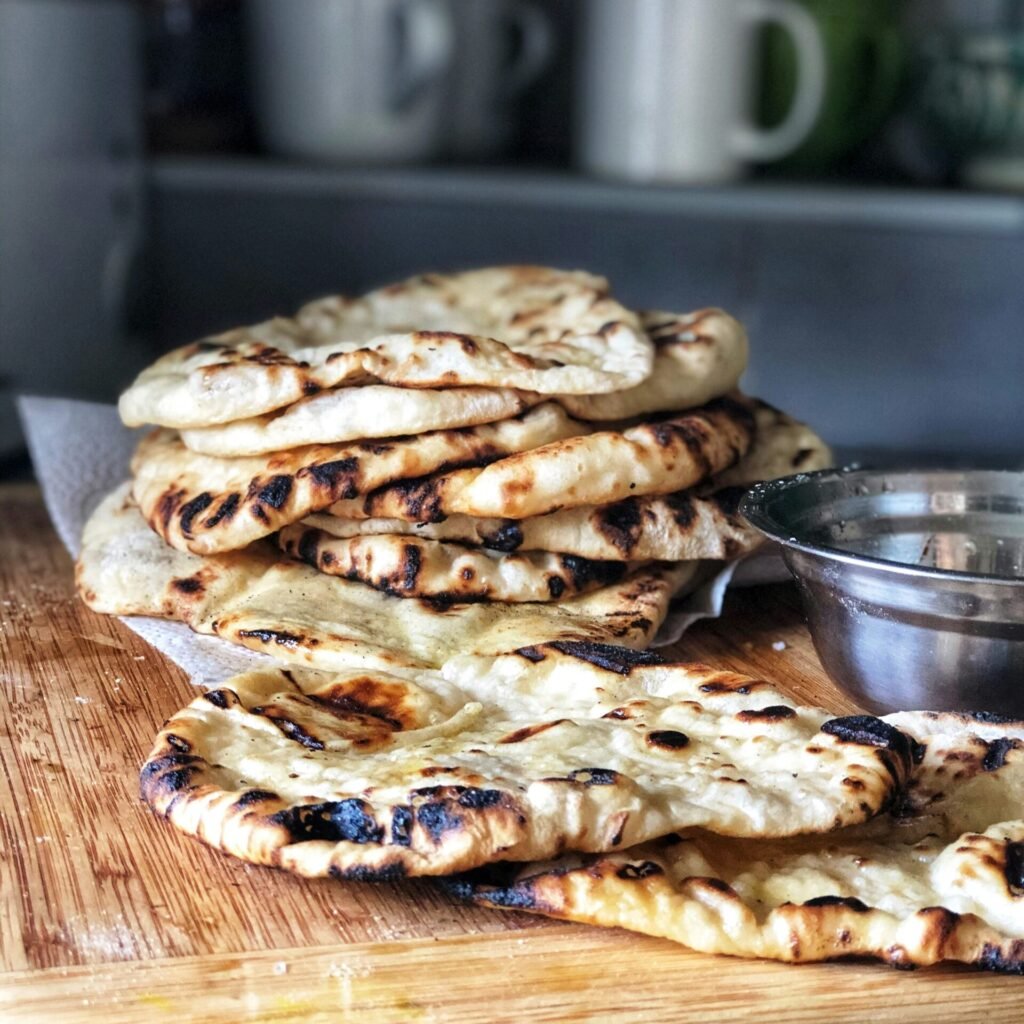
Across Europe and the UK, artisanal food has shifted from niche farmers’ markets to mainstream shelves. Consumers are choosing sourdough over supermarket loaves, single-origin chocolate over mass-produced bars, and small-batch condiments over commercial brands. This isn’t a passing trend — it’s a fundamental shift in how people want to eat. The movement blends quality, storytelling, ethics and identity, reflecting a deeper reevaluation of what “good food” really means.
A Shift Away From Industrialised Food
For decades, large-scale manufacturing defined the food landscape. It was efficient, affordable and predictable — but it came at a cost: declining flavour, highly processed formulas, and a widening gap between the consumer and the source of their food.
Today, more people are questioning what they’re eating and how it was made. The demand for transparency — ingredients, sourcing, production methods — has become a driving force behind the artisanal boom. Small-scale makers, with their open processes and simple formulations, directly answer that need.
Flavour as a Return to Craft
The biggest difference between artisanal and mass-market food is flavour. Industrial food production prioritises consistency and long shelf life, which often means heat-treated ingredients, stabilisers, fillers, and preservatives.
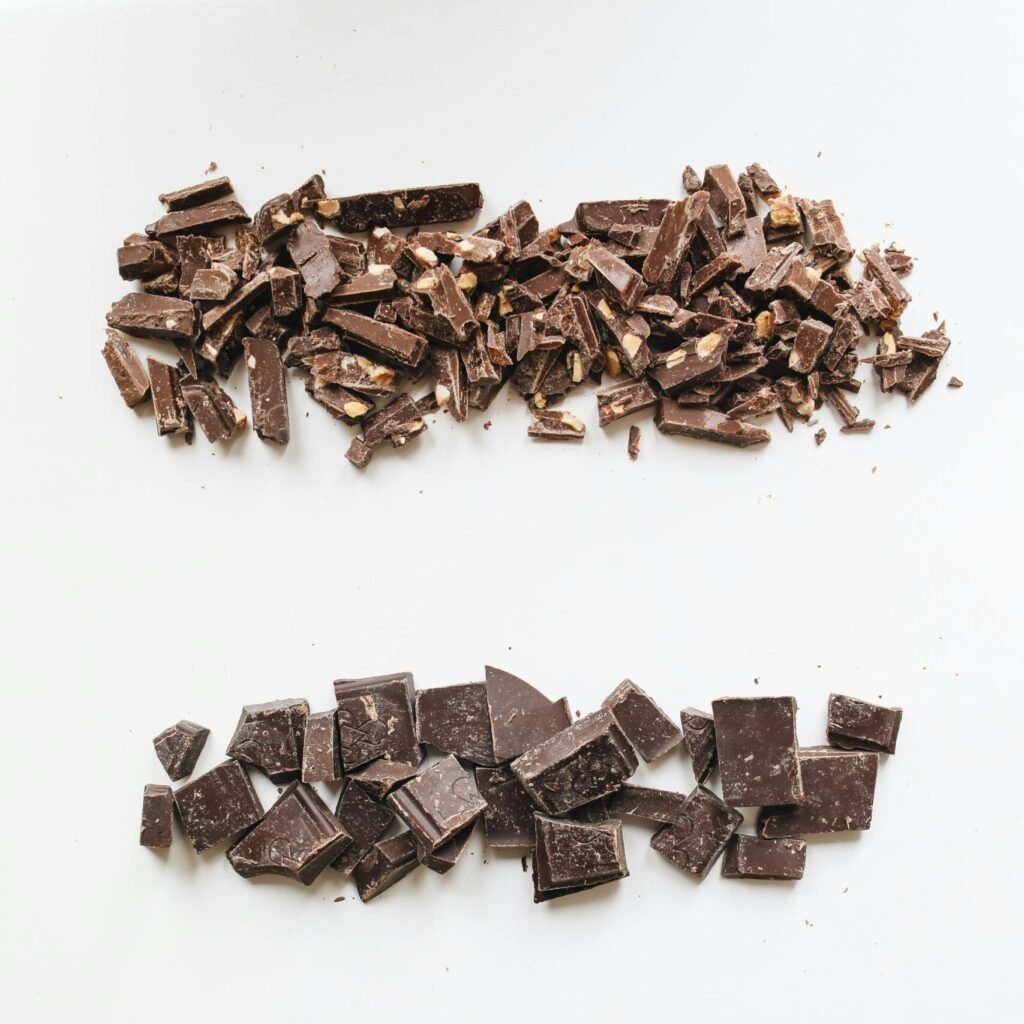
Artisanal producers take the opposite approach: minimal processing, slower methods, better raw materials, and techniques rooted in craft rather than efficiency. Whether it’s stone-ground flour in sourdough bread, bean-to-bar chocolate roasted in tiny batches, or small-batch hot sauces fermented for weeks, the goal isn’t speed — it’s depth.
Consumers can taste the difference, and increasingly, they’re willing to pay for it.
The Desire for Real Connection to Food
One of the subtler forces driving this growth is emotional connection. People want to know who made their food — the baker, the cheesemaker, the roaster. In a world where much of daily life is digital or automated, handmade or small-batch foods feel grounding.
Storytelling has become part of the product: the local mill, the heritage seeds, the family-owned dairy, the roast profile chosen by the chocolatier. This sense of authenticity adds meaning beyond the ingredients themselves.
Health and Ingredient Integrity
Artisanal food often relies on short ingredient lists, minimally processed components, and traditional techniques. Fermentation, cold-pressing, stone-grinding, slow-roasting — all preserve nutritional integrity far better than high-speed industrial processing.
Even indulgent categories like chocolate or ice cream benefit: higher cocoa content, real vanilla instead of flavouring, and fats from whole ingredients rather than hydrogenated substitutes. Consumers seeking “cleaner labels” naturally gravitate toward products where the quality is visible and the method transparent.
Ethical and Environmental Motivations
Sustainability is another major driver. Artisanal producers tend to work with local farms, seasonal produce, ethically sourced cocoa, or regenerative agriculture partners. They often waste less, use more recyclable or compostable packaging, and avoid industrial-scale environmental impact.
For many consumers, choosing artisanal isn’t just about indulgence — it’s about supporting systems that feel more aligned with personal values.
Social Media and the Aesthetic of Craft
Platforms like Instagram and TikTok have amplified the artisanal movement. Sourdough crumb shots, behind-the-scenes roasting videos, small-batch pasta being shaped by hand — this content turns craftsmanship into something aspirational.
Visual storytelling helps small producers reach global audiences, and consumers now discover niche products that would never have appeared in traditional retail. Artisan food has essentially become part of the modern lifestyle aesthetic: thoughtful, slow, sensory, curated.
Increased Willingness to Pay for Quality
Economic behaviour is shifting too. When people feel disconnected from mass-market food — nutritionally or emotionally — they’re more willing to upgrade. Artisanal foods feel like small, accessible luxuries: a €6 bar of chocolate instead of a €2 one; a loaf of bread made by a baker you know; a hand-poured bottle of olive oil instead of a supermarket blend.
This “affordable premium” mindset is one of the strongest forces sustaining the artisanal market’s growth.
The Bottom Line
The rise in artisanal food isn’t simply about novelty — it reflects a deeper cultural return to quality, transparency and connection. From chocolate makers to kombucha brewers, small-scale producers are thriving because they offer something industrial food never can: authentic craft, richer flavour, better ingredients and a story people want to be part of. As consumers continue to look for meaning and quality in everyday choices, artisanal products will only grow more influential in shaping the future of food.