The butter-versus-spread debate has been going on for decades. Butter lovers argue for purity, taste and minimal processing, while spread advocates value convenience, softness and heart-healthy oils. Modern spreads have evolved far beyond the old margarine stereotype, yet misconceptions remain on both sides. Understanding the nutritional differences — and how these products are now made — makes it much easier to choose what actually belongs in your kitchen.
What Butter Really Is
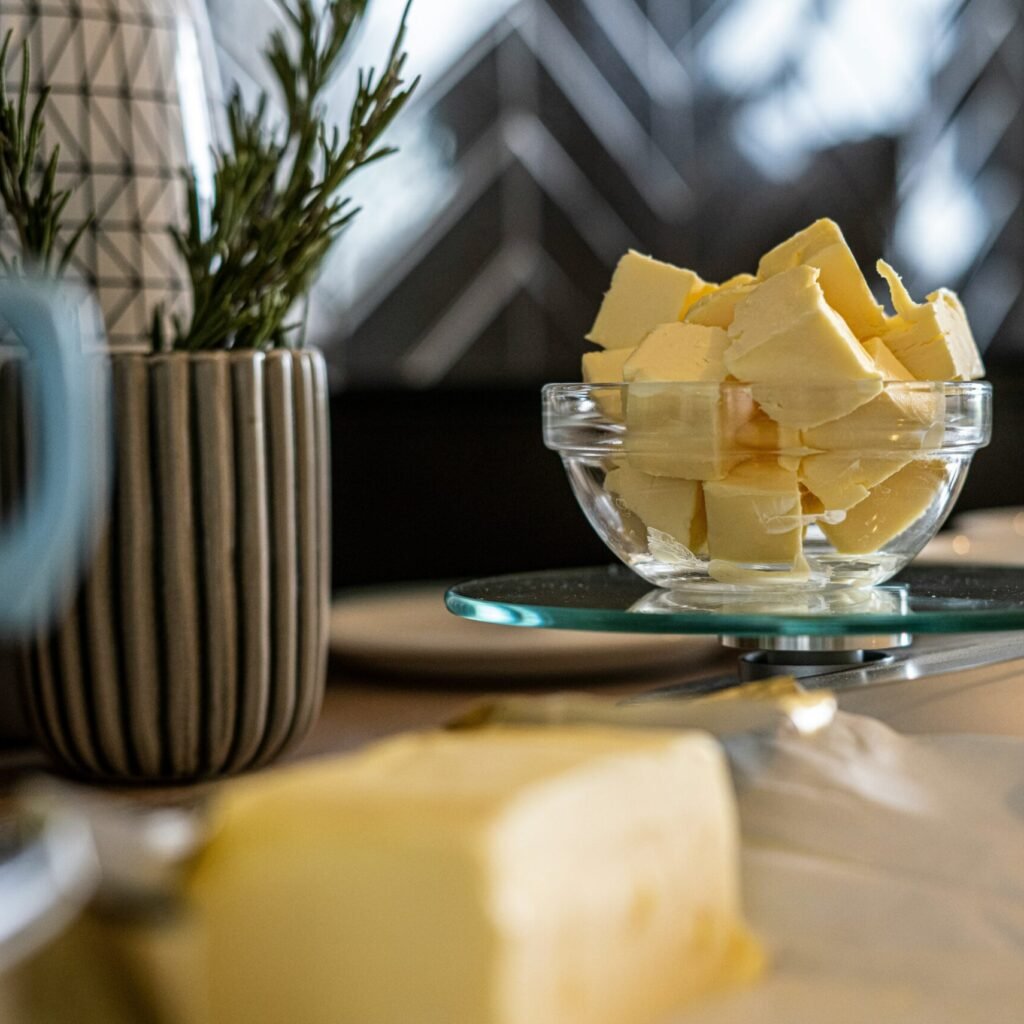
Butter is simple: churned cream and sometimes a pinch of salt. It’s a natural dairy fat that contains saturated fat, small amounts of short-chain fatty acids, fat-soluble vitamins (A, D, E and K), and a flavour profile no manufactured spread can replicate.
Saturated fat has historically been linked to heart disease, but more recent research shows the relationship is more nuanced. The impact of butter on health depends heavily on overall diet, lifestyle, and the type of saturated fats consumed. Butter also contains butyrate precursors — compounds linked to gut health and anti-inflammatory effects — though in relatively small amounts.
Where butter shines is purity. One ingredient, churned into something deeply satisfying and universally timeless.
Where Butter Falls Short
Butter is calorie-dense and high in saturated fat, which can impact cholesterol in people genetically predisposed to high LDL. It’s also firm when cold, which leads many consumers to use more than intended when spreading it on bread.
From a food-science standpoint, butter’s biggest limitation is its lack of flexibility: it doesn’t combine easily with water-based ingredients unless emulsified, and it burns at lower heat compared with oils.
What Modern Spreads Actually Are Now
Old-school margarine was essentially hydrogenated vegetable oil — a product high in trans fats, which we now know are harmful. Modern spreads, however, are completely different products. The industry has removed hydrogenation and now primarily uses blends of sunflower, rapeseed, olive or avocado oils mixed with water, emulsifiers and vitamins to create a soft, easily spreadable texture.
These spreads typically contain:
- A high proportion of unsaturated fats, which support heart health
- Added vitamin D and sometimes omega-3s
- Little to no trans fat (now heavily regulated)
Many modern spreads made with olive or rapeseed oil have a significantly better fatty-acid profile than margarine ever had. They are functional, soft straight from the fridge, and far more stable in terms of shelf life.
Where Spreads Fall Short
Even the cleanest spreads are still manufactured products. They are emulsified mixtures rather than whole foods, and they vary widely in quality. Some contain:
- Preservatives
- Emulsifiers
- Palm oil
- Flavourings or colourings
For consumers who prioritise minimal processing, this will always be the sticking point. Spreads are engineered, not churned — even when made with high-quality oils like olive or avocado.
They may also lack the rich flavour and cooking versatility of butter. Many spreads aren’t suitable for high-heat cooking or baking because of their water content.
The Health Comparison: Which Is “Better”?
The question isn’t which one is universally healthier — it’s which one suits your dietary pattern and metabolic profile.
Butter contains natural fats and vitamins but is high in saturated fat. For some people, especially those with high LDL cholesterol or a family history of heart disease, heavy butter consumption can be problematic.
Spreads offer favourable unsaturated fats but may introduce additives or oils that some people prefer to avoid. A spread made primarily from olive oil is not the same as one made mostly from cheap seed oils.
Ultimately, the health impact comes from:
- how much you use
- what the spread is made from
- what the rest of your diet looks like
Many nutrition researchers now lean toward this position: a little real butter in a whole-food diet is fine; a high-quality spread can make sense for someone looking to moderate saturated fat.
Taste, Cooking and Practicality
Butter wins easily on flavour, baking performance and browning. It caramelises, develops depth and enhances everything from vegetables to pastry.
Spreads win for convenience — soft straight from the fridge and easier to portion. They shine on toast, sandwiches and quick weekday cooking where taste isn’t the priority.
The Bottom Line
Butter is a simple, natural ingredient with unmatched flavour, but it’s high in saturated fat and best used mindfully. Modern spreads have evolved into healthier, unsaturated-fat alternatives, especially when made from olive or rapeseed oil, but they remain manufactured products with variable quality. The best choice depends on your health goals, taste preference and overall diet — and for many people, a combination of both works perfectly well.