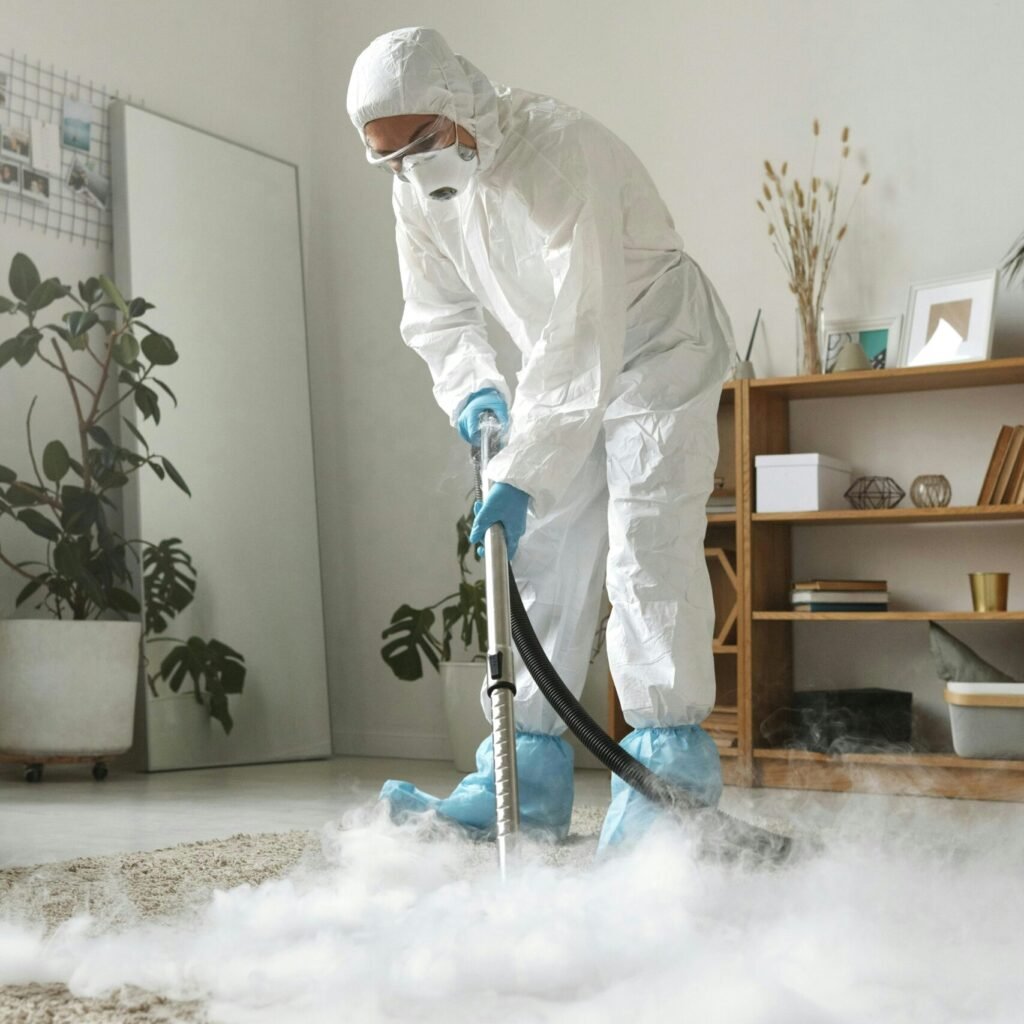

Air purifiers have gone from niche allergy tools to everyday household essentials, appearing in bedrooms, living rooms and even home offices. With growing conversations around indoor air quality, many people are wondering whether these machines genuinely make a difference or if they’re simply another wellness trend. The answer sits somewhere in the middle: air purifiers can be surprisingly effective, but only when you understand what they do — and what they don’t.
At their core, air purifiers are designed to remove tiny particles from the air: dust, pollen, pet dander, mould spores and, depending on the model, even smoke and odours. Most quality purifiers use a HEPA filter, a tightly woven material capable of trapping particles far smaller than the eye can see. If you’ve ever noticed a layer of dust accumulating on furniture shortly after cleaning, those same particles are also circulating in the air you breathe. A purifier simply reduces that load.
Does Room Size Matter?
For people with allergies, asthma or sensitive sinuses, the difference can feel significant. Less sneezing, less morning congestion and a softer, cleaner-feeling atmosphere are common improvements. Even those without respiratory issues often report that the air feels lighter and that dust settles more slowly on surfaces.
However, not all purifiers perform the same. Some models are only suitable for small rooms, while others may be too loud or lack genuine HEPA filtration. Choosing the right purifier means matching it to your room size and checking that it uses proper filtration rather than just a basic mesh screen. Carbon filters are helpful for absorbing odours and pollution, though not essential for everyone.
For spaces that need both air purification and climate comfort, the Dyson Purifier Hot+Cool HP1 offers a versatile solution. This unit combines true HEPA filtration with heating and cooling functions, making it well suited to larger living rooms or open‑plan areas where year‑round comfort matters. The HEPA filter traps fine particles like dust, pollen, and pet dander, while the integrated hot and cool modes help maintain a comfortable temperature without the need for separate appliances. Quiet operation and simple controls make it easy to use daily, and its multi‑purpose design means you’re not just improving air quality — you’re enhancing your overall home environment.
The Shark NeverChange5 Air Purifier is ideal for smaller rooms such as bedrooms, home offices, or compact living areas. Its HEPA filter traps 99.97% of allergens including dust, pollen, and pet dander, while the quiet operation makes it suitable for overnight use. With a 5-year filter life and a simple LED display, it’s a low-maintenance option for anyone looking to reduce airborne irritants and maintain a fresher, more comfortable indoor environment.
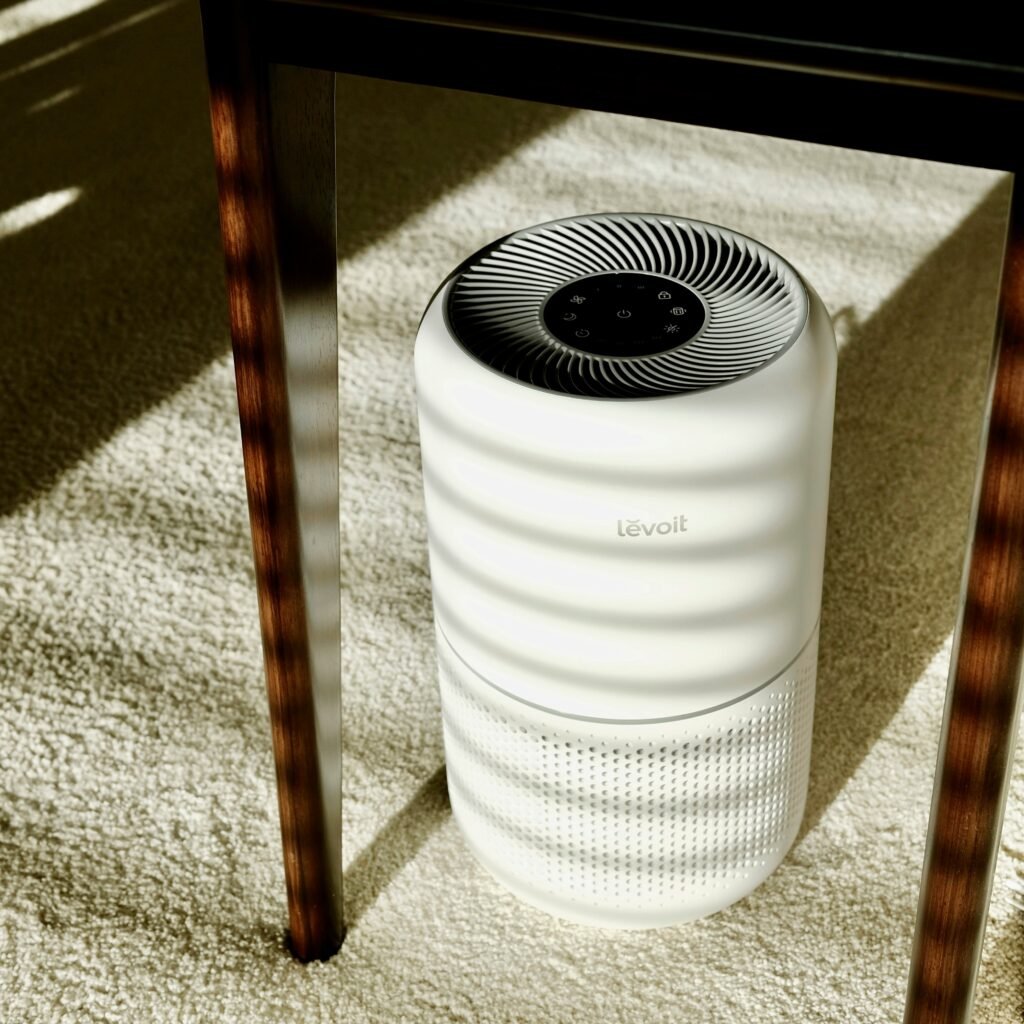
For larger rooms or open‑plan living areas, a higher‑capacity unit like the Levoit Core 300S Air Purifier is worth considering. With true HEPA filtration that captures 99.97 % of airborne particles and a strong airflow rate, it’s designed to keep bigger spaces feeling fresh. Many versions also offer smart controls so you can monitor air quality and adjust settings easily from your phone — a practical feature for everyday home use.
The bigger question: do you actually need one?
If your home is well-ventilated, you keep windows open often and you don’t live near heavy traffic, you may not notice a dramatic transformation. But most modern homes are sealed tightly for insulation — excellent for warmth, not ideal for airflow. Everything from cooking and cleaning sprays to candles, furniture materials and pets contributes to indoor air pollution. In these situations, an air purifier can help reduce the daily accumulation.
It’s important to view them realistically. An air purifier will not sterilise your home or eliminate viruses, and it won’t replace cleaning or ventilation. It simply reduces airborne irritants, making the environment more comfortable and less taxing on your body. For many households, especially those with allergies or pets, that small improvement is surprisingly impactful.
If you’re someone who wakes congested, suffers from dust irritation or lives in an area with traffic pollution, an air purifier may be one of the most worthwhile home upgrades you make. And if your home already feels fresh and open, it may simply offer an added layer of comfort rather than a dramatic shift.
Air purifiers aren’t a miracle device — but when used correctly, they can quietly elevate the quality of the air you live, sleep and breathe in every day.