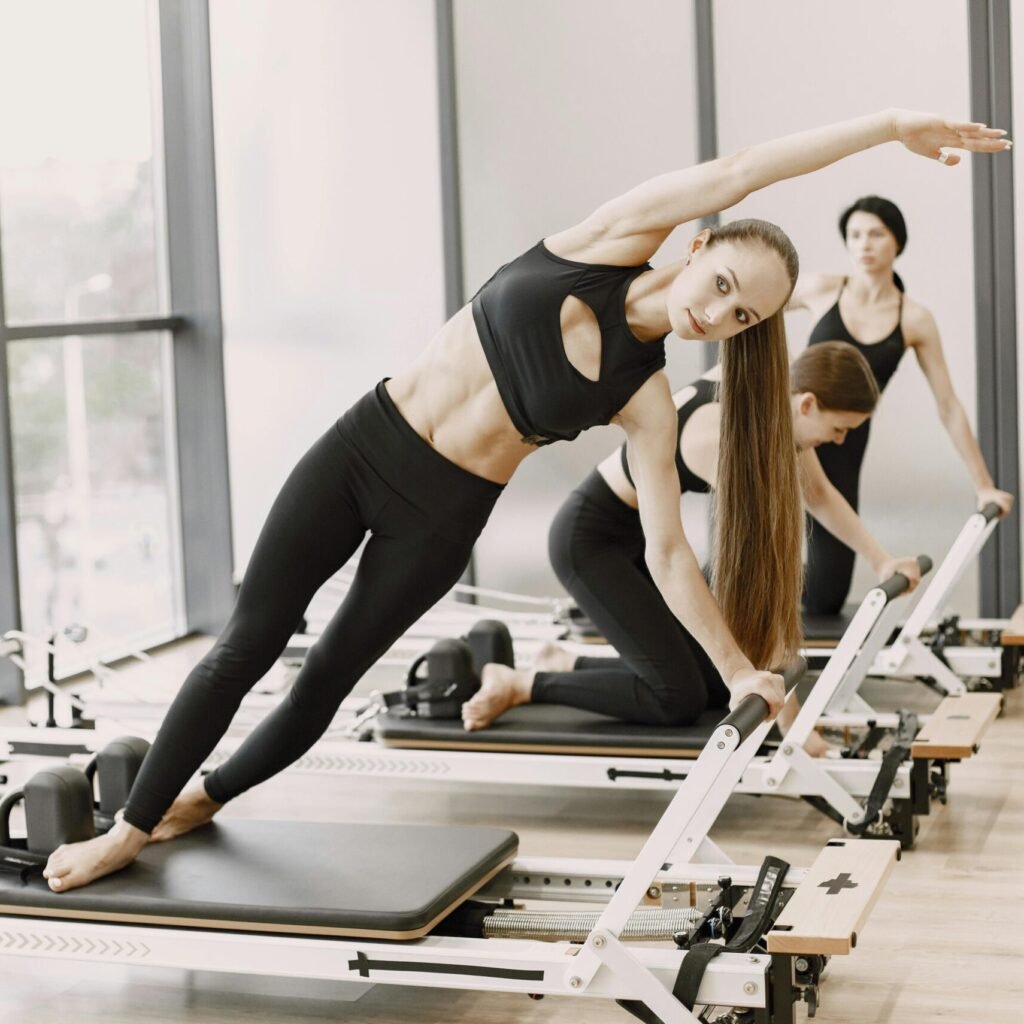
Reformer Pilates has become a cornerstone for building strength, improving posture, and supporting long-term mobility. While studio sessions offer expert guidance and form correction, consistency is what delivers results. For many, time, travel, or scheduling can make attending multiple weekly sessions difficult. A simple at-home reformer pilates setup can help bridge that gap, allowing you to stay engaged with your practice between professional classes.
Staying consistent with Pilates can be challenging when life gets busy, but regular practice is essential for building core strength, improving flexibility, and maintaining good posture. Experts generally recommend practicing two to three times per week to achieve noticeable results. While professional sessions provide personalised instruction and technique refinement, an at-home reformer pilates setup allows you to fit in additional sessions, reinforce what you have learned, and maintain momentum throughout the week. With just a few carefully chosen pieces, you can create a functional, inviting space that complements your studio practice.
The Essentials: Building Your At-Home Reformer Setup
A Home Reformer
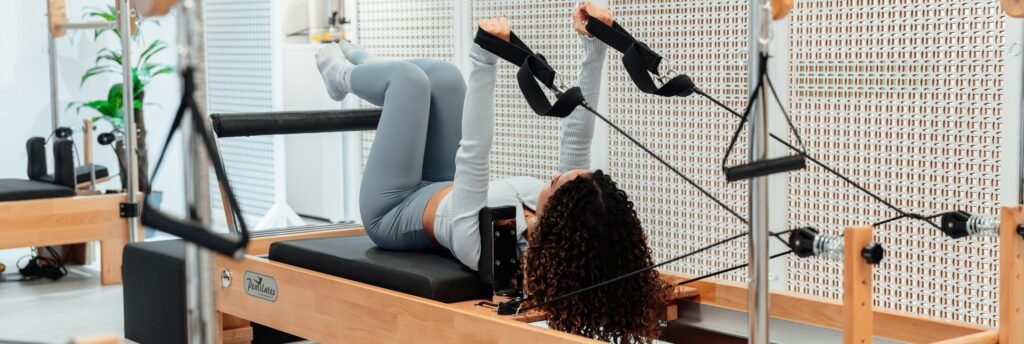
At the heart of any home setup is a pilates reformer that mirrors the resistance and movement patterns used in studio classes. Many modern home reformers are designed to be space-efficient, making them suitable for use in spare rooms or living spaces. A quality reformer allows you to practise familiar sequences safely, supporting strength, mobility, and control between professional sessions.
For those with the space and budget for a full studio-quality reformer, the Studio Reformer by Balanced Body is widely regarded as one of the best professional machines on the market. It is commonly used in clinical and studio settings due to its build quality, smooth carriage, and precise resistance. This model offers a professional-grade experience with excellent stability and control, making it a strong choice for anyone looking to replicate studio-level practice at home.
If a Full Reformer Isn’t Practical
Studio-quality reformers are a significant investment and, for many people, having one at home simply is not realistic due to cost or space. The good news is that many reformer-inspired exercises can be adapted using more compact, affordable equipment such as the Nexace Foldable Reformer Pilates Machine. This entry level machine combined with resistance bands, pilates rings and light weights can replicate key elements of reformer work, particularly when the focus is on controlled movement, alignment, and resistance rather than the machine itself. While these alternatives do not fully replace the feel or precision of a professional reformer, they can support strength, mobility, and consistency between studio sessions.
A Pilates Guide Book
For those practising at home, having a trusted reference is invaluable, and The Pilates Bible by Lynne Robinson is widely regarded as one of the most authoritative Pilates resources available. Robinson, a leading figure in UK Pilates education, presents the method in a clear, accessible way, with detailed explanations of core principles, alignment, and technique.
The book is particularly useful for home practice as it breaks down exercises step by step, highlights common mistakes, and explains how to modify movements depending on ability or experience. Used alongside reformer sessions, it provides valuable context for understanding why exercises are performed in certain ways, helping to reinforce good habits between professional classes rather than simply copying movements without attention to form.
A Supportive Pilates Mat
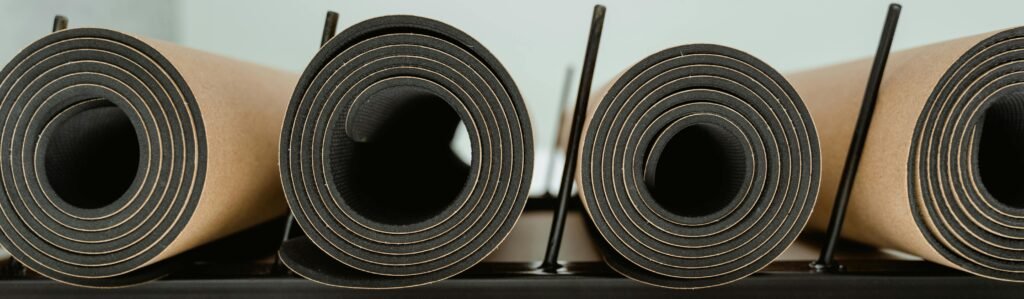
Even with a reformer, a good-quality Pilates mat remains useful for warm-ups, mobility work, and stretching. A mat with adequate cushioning, such as the Gaiam extra thick yoga and pilates mat, protects joints during floor work and helps transition smoothly between reformer exercises and mat-based movements.
Accessories That Enhance Your Practice
Light Hand Weights
Light weights are a simple way to add upper-body engagement to reformer exercises. When used with control, they can improve shoulder stability, arm strength, and coordination without compromising form. The Core Balance Neoprene dumbells start at 0.5kg and are very compact, they are particularly effective for layering gentle resistance into familiar sequences.

Pilates Rings
A Pilates ring, such as the Core Balance Pilates Resistance Ring, adds focused resistance and feedback, helping activate the inner thighs, glutes, and upper body. It is a compact accessory that pairs well with reformer work, encouraging precision and controlled movement.
Resistance Bands
Resistance bands are versatile and easy to store, making them ideal for home use. They can assist with mobility, add challenge to strength work, or support stretching and rehabilitation exercises alongside your reformer sessions. TheraBand resistance band sets are commonly used in professional and home settings and are available in multiple resistance levels.
Comfort, Recovery, and Consistency
Grip Socks
Grip socks are a small but important detail. They provide stability on the reformer carriage and footbar, supporting safe movement while maintaining proper foot alignment. Lululemon Find Your Balance Grip Tab Socks help to keep you secure on the reformer or the mat.
Foam Roller
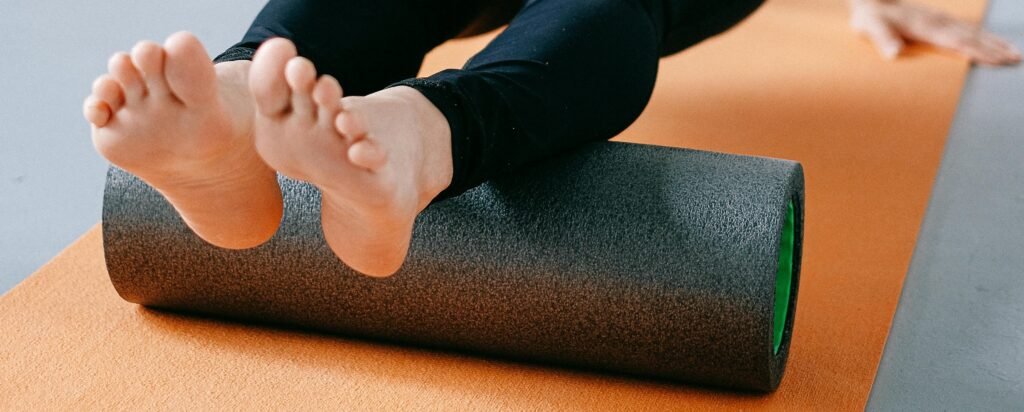
Recovery is a key part of consistency. A foam roller helps release muscle tension, improve circulation, and support mobility, particularly after more demanding sessions. A versatile and reliable choice for most people is the TriggerPoint Grid foam roller — its firm, textured surface provides effective self-massage that can help ease muscle tightness and support mobility after reformer sessions.
A Calm, Dedicated Space
Creating a calm environment encourages regular practice. Natural light, minimal distractions, and a clearly defined space for your reformer can make sessions feel intentional rather than rushed, supporting long-term consistency.
Final Thoughts
Reformer Pilates is most effective when practised regularly, with many professionals recommending two to three sessions per week for meaningful improvements in strength, posture, and mobility. An at-home reformer setup makes it easier to maintain this frequency by allowing you to practise between studio sessions. Rather than replacing professional instruction, a home setup supports consistency, reinforces technique, and offers a practical way to stay engaged with your Pilates practice over time.