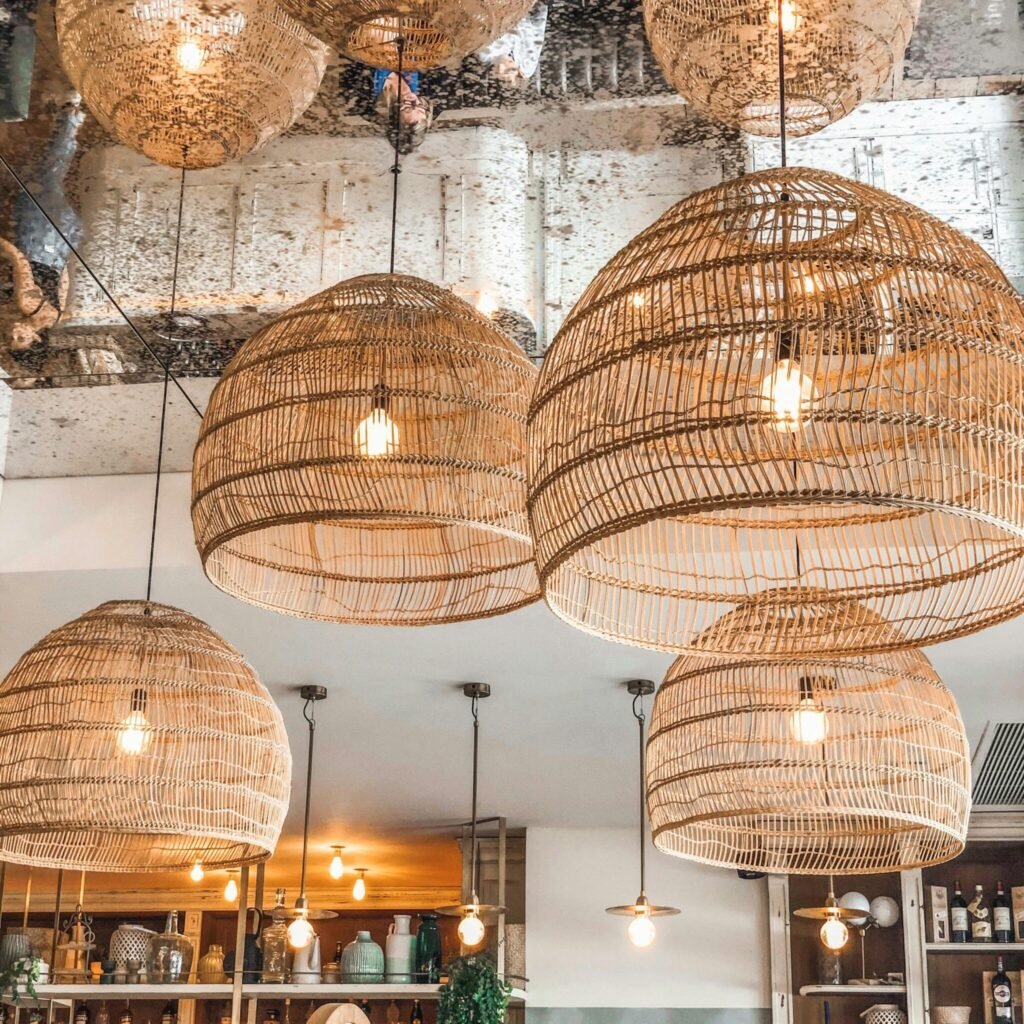
Bamboo has become a quiet favourite in modern interiors — not just for its aesthetic warmth, but for its reputation as one of the most sustainable materials you can bring into your home. Yet few people understand why bamboo is considered such an environmental standout. Here’s what makes it genuinely eco-friendly, and how using it in the home can support a more thoughtful approach to design.
Bamboo is one of the fastest-growing plants in the world. Some species can grow up to a metre in a single day, which means it regenerates far more quickly than traditional hardwoods that take decades to mature. This rapid growth allows bamboo to be harvested without causing long-term damage to the environment or requiring heavy replanting. It behaves more like a grass than a tree — when cut, it simply regrows from the same root system, reducing soil disruption and supporting a healthy ecosystem.
Its carbon footprint is equally impressive. Bamboo absorbs more CO₂ and releases more oxygen than many timber species, making it an effective natural carbon sink. This is one of the reasons it has become so popular in sustainable architecture and interior design. Choosing bamboo products where possible supports a circular, low-impact material cycle that aligns with the principles of mindful living.
When used in décor — from lampshades and furniture to storage baskets and textiles — bamboo offers longevity and durability without the environmental weight of plastics or chemically treated woods. High-quality bamboo products can last for years, and their natural finish means they often avoid the synthetic resins, dyes, and treatments that contribute to indoor pollution. This makes bamboo not just better for the planet, but better for air quality inside your home too.
There’s also a stylistic sustainability that comes with bamboo. Its neutral tones and organic textures fit into almost any design scheme — Scandinavian, minimalist, coastal, rustic, or modern — reducing the need to constantly replace items as trends shift. A bamboo lampshade or side table has a timeless quality; it adds warmth and texture without dominating a space, making it both versatile and enduring.
Of course, sustainability also depends on production practices. Ethically sourced bamboo — harvested responsibly and processed with natural finishes — ensures you’re supporting the best version of the material. Certifications, low-VOC products, and brands transparent about their supply chain help ensure that the sustainability story is genuine, not just marketing.
Integrating bamboo into your home is one of the easiest ways to make your space feel warmer, calmer, and more connected to nature while keeping your environmental footprint low. It’s a material that pairs aesthetics with ethics, proving that thoughtful design doesn’t need to sacrifice beauty.